Red Dots: The Playful Font for Creative Projects
A Typeface That Feels Like a Smile
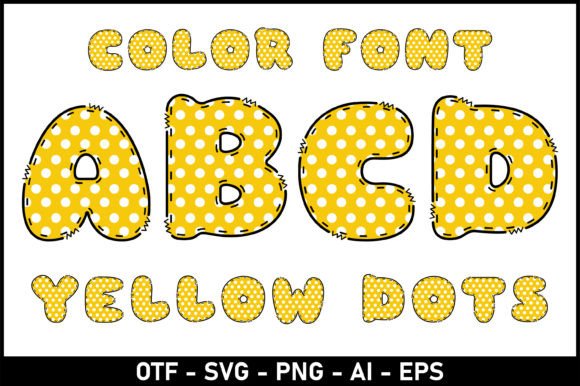
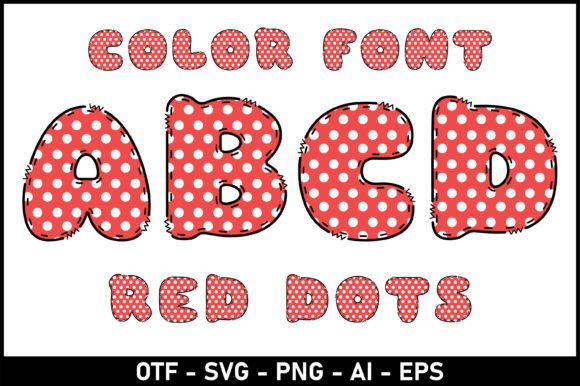
There’s something instantly inviting about Red Dots. It’s a typeface that doesn’t just sit on the page—it performs. With its rounded, slightly irregular letterforms and a subtle, hand-drawn quality, this creative font carries a warmth that more geometric, polished typefaces often lack. It’s not trying to be serious or corporate; its personality is friendly, approachable, and just a little bit whimsical. Think of it as the typographic equivalent of a friendly wave or a colorful illustration. This makes it a fantastic display font for any project where you want to inject a dose of charm and human touch, moving away from the cold precision of many modern typography standards.
Visually, Red Dots is characterized by its soft curves and consistent, medium weight. The letters feel balanced but not rigid, allowing for a natural flow that guides the eye gently across a line of text. While it’s not a handwritten font in the strict, cursive sense, it borrows that same organic, crafted energy. It’s more legible than many script fonts, making it versatile for both short headlines and slightly longer blocks of text where a playful tone is desired. The overall effect is a typeface that feels joyful and engaging without sacrificing clarity—a crucial balance for effective communication.
Where Red Dots Truly Shines: Practical Applications
The strength of a font like Red Dots lies in its specific application. It’s a specialist, not a generalist. Trying to force it into a formal annual report would be a mismatch, but in the right context, it becomes an invaluable design asset. Its sweet spot is any project aimed at conveying fun, creativity, or a youthful spirit.
- Children’s Books & Educational Materials: This is perhaps its most natural home. Red Dots is exceptionally easy to read for young audiences, with clear letter shapes that aid in letter recognition. Its playful style makes reading feel like an adventure, not a chore, fostering a positive association with books from an early age.
- Branding & Logo Design: For businesses targeting families, creative services, or the arts—think toy stores, craft studios, children’s party planners, or indie bakeries—Red Dots can form the core of a warm and memorable brand identity. It signals that a brand is approachable, imaginative, and customer-friendly.
- Marketing & Social Media Graphics: In the crowded space of social media, a post set in Red Dots can stop the scroll. It’s perfect for social media graphics promoting a workshop, a sale at a craft fair, or a new line of handmade goods. Its distinctive look helps content stand out and reinforces brand personality.
- Packaging & Product Design: Imagine a box of artisanal cookies, a jar of jam, or a line of natural cosmetics. Using Red Dots on the packaging design can instantly communicate that the product is made with care and a personal touch, appealing to consumers looking for authenticity over mass-produced sterility.
- Personal & Craft Projects: Beyond commercial use, this font is a delight for hobbyists. It elevates greeting cards, party invitations, scrapbook pages, and DIY project labels, adding a professional yet personal flair that generic fonts can’t match.
Making the Right Call: Using Red Dots Effectively
Choosing a premium font is a decision that impacts the entire feel of your project. Before committing to Red Dots, it’s wise to evaluate its fit with your specific goals and audience. Its playful nature is a strength, but it must align with your message.
Evaluating Project Fit and Audience
Ask yourself: Who am I trying to reach, and what feeling do I want to evoke? If your audience is adults in a professional B2B context, Red Dots might undermine your credibility. However, if you’re a small business owner selling handmade toys, a blogger writing about family activities, or a marketer for a community event, its friendly vibe is perfect. The key is alignment between the font’s personality and your brand’s voice.
The Art of Font Pairing
Red Dots is a star player, but it rarely works alone. Successful font pairing creates hierarchy and ensures readability across all your content. As a display font, it’s ideal for headlines, subheadings, and short, impactful statements. For body text, you’ll need a more neutral, highly legible companion. A clean sans serif font like Open Sans, Lato, or Montserrat provides a perfect counterbalance, offering modern clarity without competing for attention. Alternatively, a simple, sturdy serif font like Lora or Merriweather can add a touch of classic warmth to longer paragraphs. Avoid pairing it with another highly decorative or handwritten font, as this creates visual chaos and hampers readability.
Readability and Licensing Considerations
While Red Dots is clear for a display font, always test it at the size you intend to use. Check the legibility of tricky letter pairs (like ‘rn’ appearing as ‘m’) and ensure numbers and punctuation match the tone. For any project that will be sold or used commercially—whether it’s a client’s logo, a product you sell, or a marketing brochure—you must secure the proper commercial font license. This isn’t just a legal formality; it’s an ethical practice that supports the type designers who create these valuable tools. A reputable foundry or font marketplace will provide clear licensing terms.
Ultimately, Red Dots is more than just a collection of letters. It’s a tool for storytelling. When used thoughtfully, it can transform a mundane design into something that feels alive, personal, and genuinely engaging. It won’t work for every project, but for the ones it suits, it can be the very element that makes your design connect on a human level.