Flannel Font: The Playful Typeface for Creative Projects
Understanding the Flannel Typeface
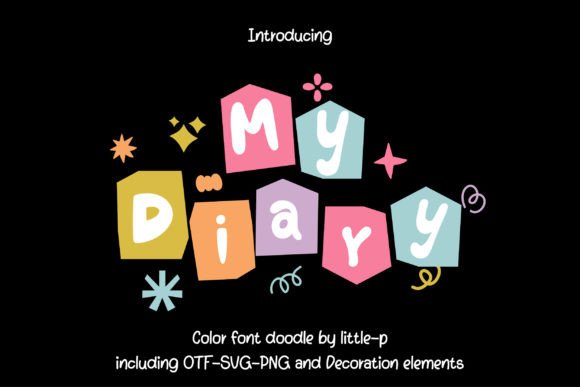
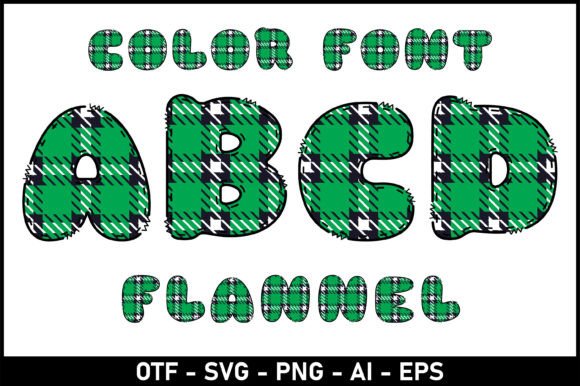
Flannel is a distinctive font that immediately communicates warmth, personality, and a handcrafted quality. Visually, it often presents as a handwritten font or a script font with rounded, soft edges and a slightly irregular baseline that mimics natural human writing. Its characters are typically friendly, approachable, and full of character, making it feel less rigid and more organic than traditional serif font or sans serif font options. This isn't a font for corporate boardrooms or dense legal documents. Instead, Flannel excels in contexts where you want to evoke emotion, creativity, and a personal touch. Its style is inherently playful or artistic, making it a valuable creative font for designers looking to inject energy and authenticity into their work.
The appeal of a typeface like Flannel lies in its ability to bridge the gap between professional design and handmade charm. It feels curated yet casual. For brand identity, choosing Flannel signals a brand that is approachable, creative, and perhaps a bit nostalgic. It's the kind of typeface that can make a logo feel instantly relatable or a social media post feel more engaging. As a premium font, it often comes with thoughtful details, multiple stylistic alternates, and robust language support that free fonts might lack, ensuring your design assets are both beautiful and functional.
Where Flannel Truly Shines: Practical Applications
Knowing where a font works is half the battle. Flannel’s strengths are best deployed in projects that prioritize visual engagement and emotional connection over stark professionalism. Here’s a practical breakdown of its ideal environments.
Publishing and Editorial Design
In editorial design, Flannel is a star for specific niches. Think children's books, as mentioned, where its whimsy creates an inviting atmosphere. But its use extends further: recipe blogs, lifestyle magazines, and poetry collections benefit from its friendly tone. It can be used for chapter titles, pull quotes, or cover lettering to draw the reader in. However, for body text in long-form reading, its decorative nature can hinder readability. The key is to use Flannel for display purposes and pair it with a clean, legible font for paragraphs.
Branding and Logo Design
For logo design, Flannel can be a powerful tool for brands in the craft, artisan, food, or family-oriented sectors. A bakery, a handmade jewelry shop, or a children's clothing line could use Flannel to build a brand identity that feels warm and personal. It helps with brand recognition and consistency across packaging, business cards, and websites. The font’s personality directly influences brand perception, telling a story before a single word of copy is read.
Marketing and Digital Content
For social media graphics, web design headers, and email newsletters, Flannel grabs attention. Its visual hierarchy is strong for headlines and calls-to-action. Use it for Instagram story text, Pinterest pin titles, or YouTube thumbnails to stand out in a crowded feed. In packaging design, it can highlight product names or taglines, making the product feel more handmade and special. The goal is to use it strategically to guide the viewer's eye and enhance audience engagement.
Integrating Flannel into Your Design Workflow
Adopting a new font like Flannel requires more than just liking its look. Here’s how to approach it methodically for professional results.
Evaluating Project Fit and Font Pairings
Before committing, ask: Does this font's personality align with my project's goals? Flannel is perfect for a playful poster but might clash with a serious financial report. Once you've confirmed the fit, focus on font pairing. Flannel, being a display font, needs a stable partner. Pair it with a neutral sans serif font like Open Sans or Lato for body text to ensure overall readability. The contrast between the expressive Flannel and the clean secondary font creates a balanced and professional visual hierarchy.
Technical Considerations and Licensing
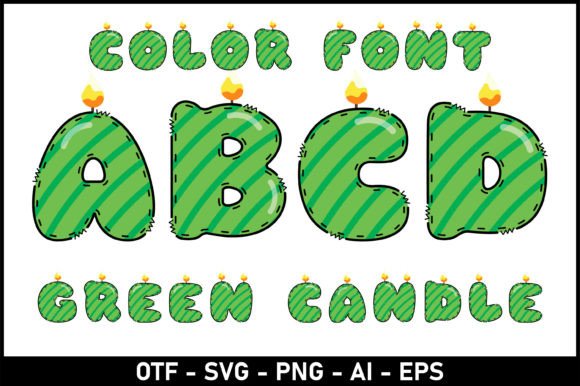
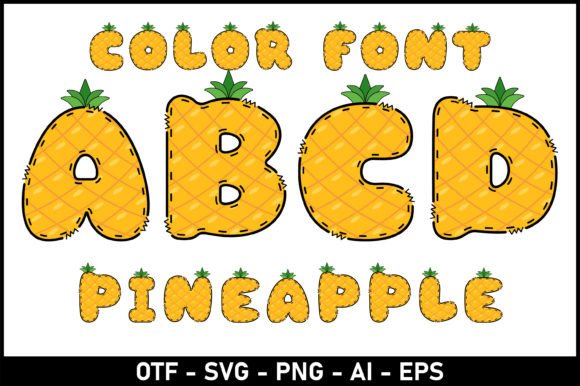
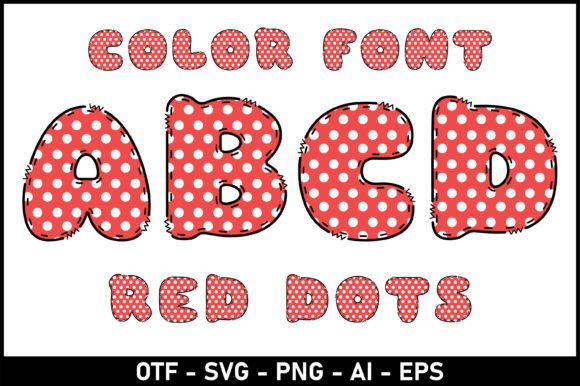
Always check the font file details. The note about the black version being compatible with Cricut Design Space is crucial for crafters and small business owners creating physical products. The color version's limitation to programs like PhotoShop, Illustrator, Silhouette, and Inkscape is equally important. Understanding these technical constraints prevents frustration. Furthermore, review the commercial license. If you're using Flannel for client work, merchandise, or any commercial project, ensure your license covers that use. This is part of working with design assets professionally and ethically.
Testing and Implementation
Never choose a font from a single word. Test Flannel in context. Set it at different sizes to check its legibility. Try out the stylistic alternates it might offer—these can add unique flair to your modern typography. For digital projects, check how it renders on different screens. For print, order a proof. This hands-on testing ensures the font performs as expected in the real world, maintaining the professionalism of your final output.
Ultimately, Flannel is more than just letters on a screen. It’s a tool for storytelling. Used thoughtfully, it can elevate a design from mundane to memorable, fostering a genuine connection with your audience. Whether you're designing a brand identity, crafting a book, or creating social media content, incorporating a font with this much personality can be the strategic touch that makes your work resonate.