Joyful Retro: A Warm Wave of Nostalgia for Your Designs
Sometimes a design needs more than just letters; it needs a feeling. It needs that specific warmth you get from a faded family photograph or the bold, optimistic vibe of a diner sign from the 1970s. This is exactly where Joyful Retro steps in. It isn't just a collection of glyphs; it is a typeface engineered to evoke heartwarming nostalgia while maintaining the sharpness required for modern digital and print applications. As a premium font, it bridges the gap between the past and the present, offering a versatile tool for anyone looking to inject personality into their work.
The Anatomy of a Timeless Vibe
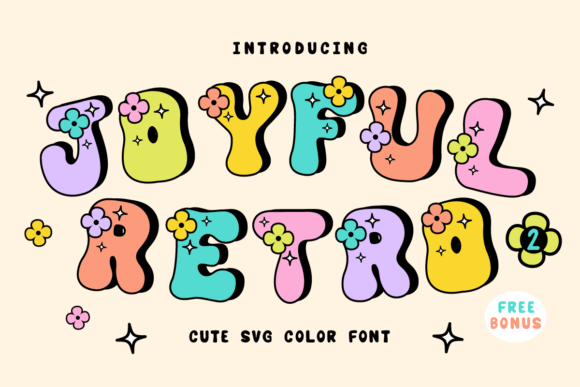
When you look at Joyful Retro, the first thing that strikes you is its character. It leans heavily into the mid-century aesthetic—think rounded terminals, geometric stability, and a touch of playfulness that avoids being childish. It carries the weight of a display font, meaning it commands attention when scaled up for headlines or hero images. However, unlike many decorative typefaces that sacrifice function for style, this creative font maintains excellent legibility. The letter spacing is balanced, ensuring that words flow naturally whether you are designing a logo or setting a title for a magazine spread.
The visual personality of this typeface is undeniably cheerful. It feels like a sunny afternoon. This makes it an exceptional choice for projects that need to convey positivity, authenticity, or a handmade quality. While it stands strong on its own, understanding its anatomy helps you use it effectively. It is not a serif font in the traditional sense, nor is it a stark sans serif font. Instead, it occupies a sweet spot—often described as a rounded sans or a soft geometric—that feels approachable and human.
The "Soft Color Font" Revolution
Here is where the technical magic happens. We are all used to standard monochrome type, but the "Joyful Retro Cute SVG Color Font" variation takes things to a new level. This is a Soft Color Font, a technology that embeds actual texture and gradient data directly into the font file. Instead of a flat vector shape, you get soft, soothing colors and subtle shading that make the typography look almost hand-painted or printed on textured paper.
This feature is a game-changer for packaging design and social media graphics. It allows you to create complex, textured looks without spending hours layering effects in your design software. However, a crucial technical note for crafters and makers: the color version relies on specific rendering technology. While the standard black version of Joyful Retro is fully compatible with Cricut Design Space and other cutting machines, the color SVG version requires software that supports OpenType-SVG features. This includes programs like Adobe PhotoShop, Illustrator, Silhouette (Designer Edition or higher), and Inkscape. Standard OTF or TTF files of the color version will not cut in color on a Cricut, so always check the compatibility guide to ensure your workflow supports these advanced design assets.
Practical Applications: Where Does Joyful Retro Shine?
As a designer or business owner, choosing a font is about fit. Joyful Retro excels in environments where you want to break down walls between a brand and its audience. Because it feels nostalgic yet modern, it is incredibly effective for brand identity work in the lifestyle, food, and wellness sectors.
Consider a boutique coffee roaster or a local bakery. Using this typeface for their logo design immediately communicates warmth and care. It suggests that the product is crafted with attention to detail. Similarly, for editorial design, such as magazine headers or blog post titles, it draws the reader's eye without feeling aggressive. It invites the reader in rather than shouting at them.
For web design, I recommend using Joyful Retro sparingly but strategically. It works beautifully for H1 and H2 headers, call-to-action buttons, or hero section text. Pairing it with a clean, neutral sans serif font for body text creates a dynamic visual hierarchy that guides the user’s eye from the expressive headline to the informative content. This contrast is a staple of modern typography and ensures your site remains accessible and easy to read.
Strategic Font Pairing and Visual Hierarchy
One of the most common mistakes I see in design is "font overload." Joyful Retro has such a strong personality that it doesn't need to compete with other decorative fonts. The key to a professional layout is contrast.
If you are working on a branding package, try pairing Joyful Retro with a geometric sans serif font like Montserrat or Futura. The clean lines of the sans serif will ground the playful nature of the retro font, creating a balanced brand identity. Alternatively, if you want a more eclectic, bohemian vibe, you could pair it with a loose script font or handwritten font, but be careful—ensure the x-heights and visual weights are distinct enough to separate the two.
Regarding readability, treat this as a display font. It is built for impact, not for 12-point body copy in a legal document. Use it for headlines, subheadings, and pull quotes. When using the color version, be mindful of background colors. The "soft" nature of the font means it has varying opacities and textures; placing it on a highly complex or busy background might make it hard to read. A solid, contrasting background will make the colors pop and ensure the text remains legible.
Licensing and Workflow for Entrepreneurs
For small business owners and content creators, understanding the utility of your commercial font is vital. Joyful Retro is designed to be a workhorse for your creative business. Whether you are selling POD (Print on Demand) t-shirts, designing wedding invitations, or creating digital planners, the licensing typically covers these commercial applications.
However, the workflow differs slightly between the standard and color versions. When preparing files for a client who uses a cutting machine, remember that the SVG version is essentially a graphic image wrapped in a text container. You may need to "expand" or "flatten" the text in your design software before exporting, depending on the specific requirements of the printer or cutter. Always run a test print on a standard sheet of paper before committing to expensive vinyl or cardstock.
In conclusion, Joyful Retro is more than just a typeface; it is a design solution for those who want to convey warmth and creativity. Its Soft Color Font variation offers a unique textural depth that standard fonts cannot match, while its classic black version ensures versatility across all platforms. By respecting its personality and pairing it wisely, you can elevate your projects from simple designs to memorable visual experiences.