Mango Font: Unleash Playful Creativity in Your Designs
When a design calls for personality over formality, the typeface you choose becomes a critical storytelling tool. Enter Mango, a creative font that immediately injects a sense of whimsy, artistry, and approachable charm into any project. It’s not just a collection of letters; it’s a design asset with a distinct voice. Think of the feeling evoked by a hand-lettered birthday card, the vibrant title of a children’s book, or the inviting text on a bakery’s menu. Mango captures that same energy—friendly, expressive, and full of character. Its visual style often leans into playful curves, organic shapes, and a handwritten quality that feels both authentic and carefully crafted.
This isn’t a font for corporate reports or legal documents. Its strength lies in projects where you want to connect on an emotional level, spark joy, or communicate a brand identity that’s creative, artisanal, or youthful. The overall appeal of Mango is its ability to make designs feel more human and less sterile. It bridges the gap between a casual script font and a more structured display font, offering readability while maintaining a strong artistic flair. For designers, marketers, and entrepreneurs, understanding where and how to deploy this typeface is key to unlocking its full potential without overwhelming a project.
Where Mango Truly Shines: Practical Applications
The versatility of Mango is found in its specific niche. It excels in contexts where a playful or artistic feel is desired, making it a go-to choice for several key areas. In publishing, particularly for children’s books, its whimsical nature creates an engaging reading experience. The letterforms are often colorful and easy to decipher for young readers, turning text into part of the visual adventure. For print design, think beyond books. Mango is a superb choice for greeting cards, wedding invitations, party announcements, and posters where a personal, handcrafted touch is essential. It communicates celebration, warmth, and creativity at a glance.
In the digital and branding space, this font finds new life. It’s a powerful tool for logo design for businesses in creative fields—think artisan coffee shops, boutique bakeries, craft studios, or children’s apparel brands. The typeface helps build a brand identity that is memorable and approachable. For social media graphics, Mango can make quotes, announcements, and promotional posts stand out in a crowded feed with its distinctive character. It’s equally effective in packaging design, especially for products targeting a younger demographic or those that want to emphasize handmade quality. Even in web design, it can be used strategically for headings or call-to-action buttons to guide the eye and inject personality, though always with careful consideration for screen readability.
Integrating Mango into Your Design Workflow
Adopting any new premium font requires a practical strategy. First, consider the project’s core message and audience. Is the goal to be fun, whimsical, and informal? Mango is likely a strong candidate. If the project demands seriousness, authority, or minimalist clarity, it’s best to look elsewhere. A key step is evaluating font pairings. Because Mango is a strong display font with a lot of character, it often pairs best with simpler, more neutral companions. A clean sans serif font for body text can provide excellent contrast and ensure overall readability, allowing Mango to handle headlines and titles where its personality can shine without causing visual fatigue.
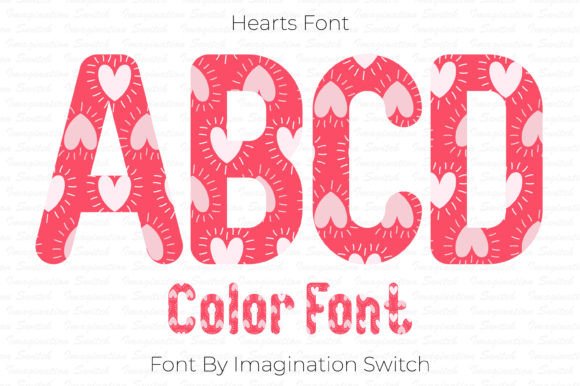
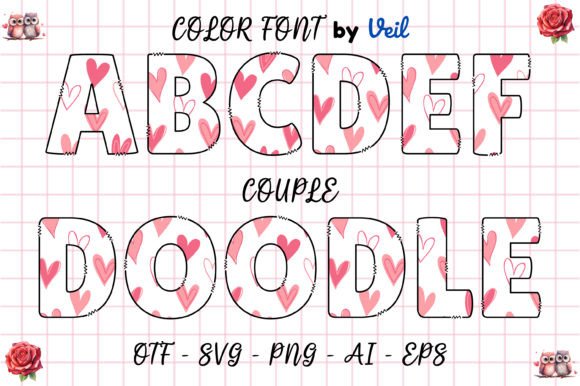
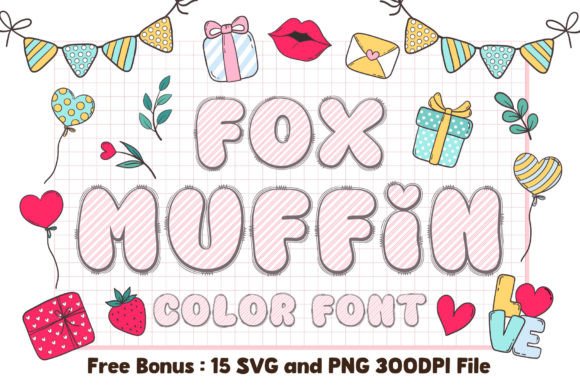
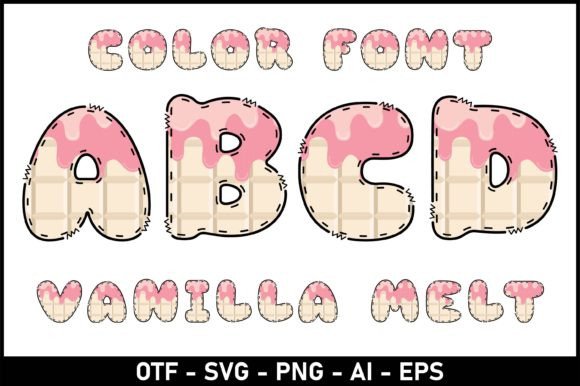
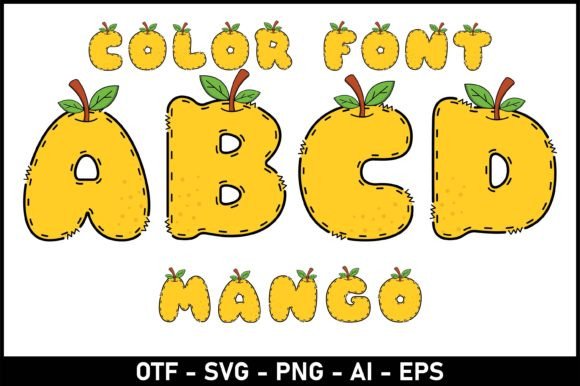
When you acquire a font like Mango, review the full package. A comprehensive typeface family might include multiple weights, stylistic alternates, or even a color font version. It’s crucial to understand the technical specifications. For instance, a standard black version of Mango is typically compatible with cutting machines like Cricut, making it perfect for crafters creating decals, stencils, or heat transfers for apparel. However, the more advanced color font versions—which might include multi-colored glyphs or textures—are often only compatible with professional design software like Adobe Illustrator or Photoshop. Always check the licensing details to ensure your intended use, whether personal or commercial, is covered. This due diligence prevents legal headaches and ensures you’re using the asset correctly.
Finally, test the font in context. Mock up your design to see how Mango interacts with your chosen color palette, imagery, and other typefaces. Check its readability at different sizes, especially for smaller text blocks. While it’s excellent for large, impactful text, its suitability for long-form reading is limited. By thoughtfully integrating this handwritten font into your toolkit, you gain a powerful ally for projects that need to communicate warmth, creativity, and a distinct personality. It’s a testament to how the right modern typography choice can elevate a design from merely functional to genuinely engaging.