Thanks God: A Font for Projects That Demand Attention
When you’re working on a design that needs to feel immediate, personal, and full of energy, the typeface you choose does more than just spell out words—it sets the entire mood. Thanks God is a creative font that steps into this role with confidence. It’s not a quiet, background player; it’s a display font with a distinct, hand-lettered personality that brings warmth and authenticity to any project it touches. Think of it as the typographic equivalent of a warm, inviting voice that draws people in.
At its core, Thanks God is a premium font that blends the organic charm of a script font with the legibility needed for practical use. Its letters have a flowing, connected baseline with gentle variations in stroke width, giving it a natural, handwritten feel without sacrificing readability. This isn't a formal, stiff calligraphy; it's more like confident, stylish penmanship. The overall appeal lies in its versatility—it can feel celebratory for a wedding invitation, rustic for a farm-to-table brand, or energetic for a social media campaign. It strikes a balance between being eye-catching and approachable, making it a valuable addition to any designer's toolkit of design assets.
Where Thanks God Truly Shines
The strength of a display font like Thanks God lies in its ability to command attention in headlines, logos, and short bursts of impactful text. It’s not your go-to for long-form body copy, but where it excels, it truly elevates the work.
- Branding & Logo Design: For businesses in the lifestyle, food, boutique, or artisanal space, Thanks God can form the cornerstone of a brand identity. It injects personality into a logo, making a brand feel more human and relatable. Imagine it on a bakery’s packaging, a boutique’s signage, or the header of an organic skincare website. It communicates care, craftsmanship, and a personal touch.
- Editorial & Publishing: In editorial design, it’s perfect for magazine pull quotes, chapter titles, or the header of a blog post. It creates a beautiful visual hierarchy, guiding the reader’s eye to the most important information first. Its stylish flair adds a layer of sophistication without feeling stuffy.
- Packaging & Marketing: On product labels, thank-you cards, or promotional flyers, this creative font helps products stand out on the shelf. It’s particularly effective for creating a cohesive look across social media graphics, email headers, and website banners, ensuring your marketing materials feel consistent and professional.
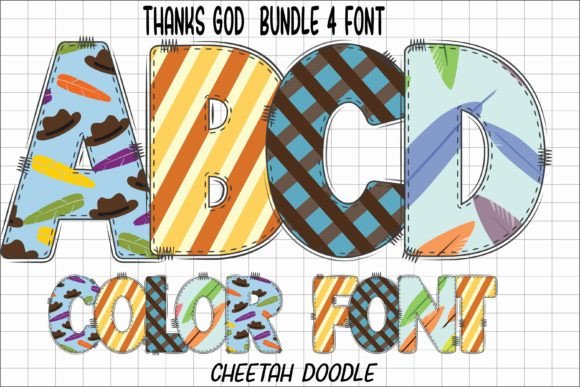
- Personal Projects & Crafting: For hobbyists and crafters, Thanks God is a joy. Its compatible black version works seamlessly with cutting machines like Cricut for creating custom decals, cards, and apparel. The color version, for use in programs like Photoshop or Illustrator, opens up even more possibilities for vibrant, multi-hued designs in digital scrapbooking or custom stationery.
Practical Guidance for Choosing and Using Thanks God
Integrating any new typeface into your workflow requires a thoughtful approach. Here’s how to get the most out of Thanks God and ensure it’s the right fit for your project.
Evaluating Project Fit and Readability
First, consider the project's voice. Thanks God works best for designs that aim to be friendly, stylish, energetic, or handmade. For a corporate law firm or a tech startup seeking a minimalist, ultra-modern look, a clean sans serif font might be more appropriate. Always test readability at the intended size. Its beautiful swashes and connections are legible at poster or header sizes but may become cluttered if used for small, critical body text. Use it for impact, and pair it with a simpler font for longer paragraphs.
Mastering Font Pairing
A great font pairing is where Thanks God can really come to life. Since it has a strong personality, it benefits from a clean, neutral companion. Try pairing it with:
- A simple, geometric sans serif font for a modern, balanced contrast. This lets the script headlines pop while maintaining clarity for body text.
- A classic, sturdy serif font for a more traditional or elegant feel, perfect for wedding invitations or luxury branding.
- A clean, readable sans serif for UI elements or captions to ensure overall readability in a digital layout.
The key is contrast in style but harmony in mood. Avoid pairing it with another highly decorative or handwritten font, which can create visual competition and confusion.
Understanding Styles and Licensing
Before purchasing, carefully review the included styles and the commercial license. A robust premium font often includes multiple stylistic alternates, ligatures, and swash versions, allowing you to customize the look for different applications. For example, you might use a simpler version for a logo and a more flourished version for a standalone headline. Crucially, ensure the license covers your intended use—whether for a client project, merchandise for sale, or digital products. This due diligence is a hallmark of professionalism and protects both you and your client.
In the end, Thanks God is more than just another typeface. It’s a tool for adding a layer of human connection and stylistic flair to your work. By understanding its personality, knowing where it shines, and applying it with intention, you can leverage this font to create designs that don’t just look good—they feel right, resonate with your audience, and strengthen your overall brand perception. It’s about choosing the right voice for your visual conversation.