Red Show 3D: Adding Instant Impact to Your Designs
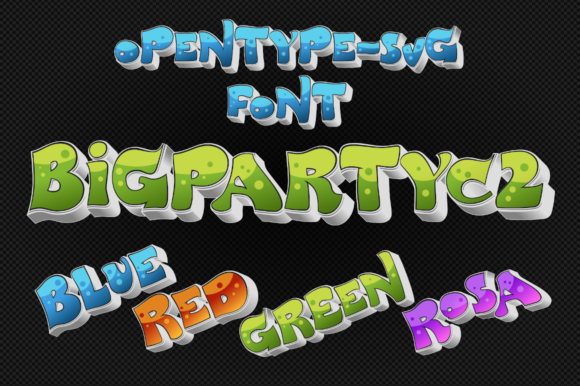
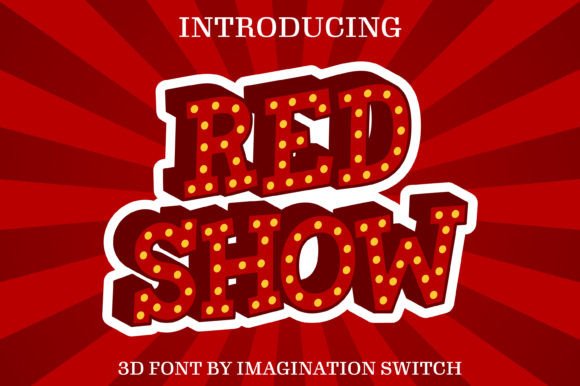
Every designer hits that moment where a project needs to stop someone mid-scroll or mid-page-turn. You have a headline for a poster, a logo for a new brand, or a title for a social media campaign that needs more than just bold weight—it needs presence. This is where dimensional typography steps in, and specifically, where the Red Show 3D font finds its sweet spot. It isn't just another typeface; it is a typographic creation that brings a tangible sense of volume and vitality to the characters. By using clever color gradients and shading techniques, this font creates an illusion of depth, making the text appear as though it is popping off the surface.
For the entrepreneur or content creator looking to elevate their visual identity, understanding how to wield a tool like this is essential. It bridges the gap between flat, static design and immersive visual storytelling. Whether you are designing a header for a website or packaging for a physical product, the visual sensation provided by the 3D style adds a layer of sophistication and excitement that standard flat fonts simply cannot achieve.
Character and Versatility: Beyond the Surface
At its core, typography is about communication, but style dictates the tone of that communication. Red Show 3D carries a personality that is energetic, modern, and slightly retro, depending on the color palette you apply to it. Because it is a color font (specifically utilizing OpenType-SVG technology), the shading and highlight effects are baked directly into the font file. This means you get that realistic 3D look without needing advanced skills in Photoshop or Illustrator to manually create bevels and shadows.
The font comes equipped with a comprehensive character set, including uppercase letters, lowercase options, and a full range of numbers. This diversity is crucial for practical application. It allows you to move beyond just a single word and create full sentences or complex numerical data displays while maintaining that consistent, high-impact aesthetic. It is a premium font asset that offers flexibility, allowing for creativity across various design styles without limiting you to just one specific "look."
Strategic Applications: Where 3D Typography Shines
Knowing where to use a display font like Red Show 3D is just as important as having it in your toolkit. Because of its dimensional nature, it excels in environments where grabbing attention is the primary goal.
- Print and Packaging: In the world of editorial design and packaging, tactile appeal is king. This font works beautifully on posters, brochures, and flyers where you want a headline to command the room. For packaging design, particularly in the food, beverage, or entertainment industries, the 3D effect can suggest quality and excitement.
- Digital and Social Media: On screens, movement and depth stop the scroll. Using Red Show 3D for YouTube thumbnails, Instagram Stories, or banner ads can significantly increase click-through rates. It provides that "modern typography" feel that resonates with digital-native audiences.
- Logo Design and Branding: While it might be too stylized for body copy, it is an excellent choice for wordmarks or logos that need to convey energy and innovation. It helps establish a brand identity that feels confident and contemporary.
Practical Considerations for Professional Use
While the visual appeal is undeniable, a professional designer or business owner must look at the technical and functional aspects of any design asset. Using a creative font like Red Show 3D requires a thoughtful approach to readability and compatibility.
First, consider the medium. This font is an OpenType-SVG file, which means it supports rich color data. It is compatible with major design software like Adobe Photoshop, Illustrator, Silhouette, and Inkscape. However, it is important to note that the standard OTF and TTF files are not compatible with Cricut machines. If you are a crafter specifically looking for cut files, this is a vital distinction to make during the selection process.
Pairing and Hierarchy
One of the most common mistakes with high-impact display fonts is overusing them. Red Show 3D is best used for headlines, sub-headers, or pull quotes. When it comes to body text, you need a font that is easy to read at smaller sizes. Pairing this 3D typeface with a clean, geometric sans-serif font often works best. The simplicity of the sans-serif allows the complexity of the 3D font to stand out without creating visual clutter. This contrast creates a strong visual hierarchy, guiding the reader’s eye exactly where you want it to go.
Furthermore, think about the color interaction. Because the font has built-in shading, placing it on a solid, contrasting background helps the depth effect pop. Busy backgrounds might compete with the font's internal color structure, making the text harder to decipher.
Licensing and Long-Term Value
For those using this font in commercial projects—whether for client work, merchandise, or business marketing—understanding the license is non-negotiable. Always verify that the license covers your specific intended use, especially if you plan to print it on physical goods for sale. Treating typography as a professional asset means respecting the intellectual property of the type designers while ensuring your own projects are legally sound.
Ultimately, Red Show 3D