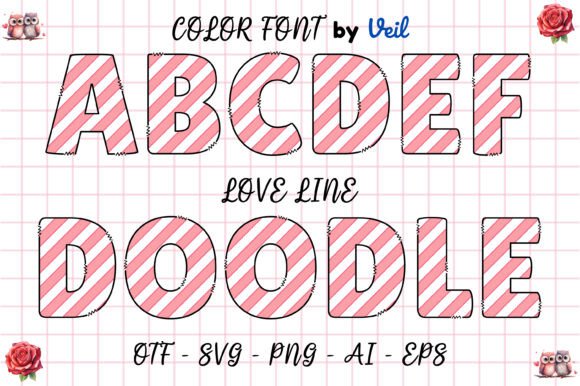
Love Line: Infusing Playful Artistry into Modern Design
Finding a typeface that captures a genuine sense of warmth and character can feel like searching for a needle in a haystack. Many fonts claim to be unique, but few manage to strike the delicate balance between artistic flair and practical usability. When a project calls for something that feels personal, energetic, and distinctly creative, the choice of typography becomes the cornerstone of the entire visual narrative. This is where a specific style of font steps in, one designed to mimic the fluid, expressive nature of human handwriting while maintaining enough structure to be legible across various mediums.
Love Line is a prime example of this modern approach to typography. It is a premium font that bridges the gap between a casual handwritten font and a polished display font. Visually, it is characterized by its fluid strokes and slightly irregular baseline, giving it a distinct personality that feels organic rather than manufactured. Unlike rigid sans serif font families that prioritize uniformity, Love Line embraces the subtle imperfections found in natural handwriting. The letterforms often feature varying stroke widths, creating a dynamic rhythm that guides the eye from one character to the next. It is not merely a script font; it is a typeface designed to convey emotion and immediacy, making it an invaluable asset for anyone looking to inject a human touch into their digital or print work.
The Versatility of Playful Typography
While the prompt mentions that fonts with this aesthetic are often used in children’s books and invitations, the application of a font like Love Line extends far beyond those categories. It is true that in editorial design, specifically for young audiences, a whimsical and easy-to-read font is essential for engagement. However, the "playful" quality of Love Line does not limit it to juvenile projects. Instead, it signals approachability and creativity, making it a powerful tool for modern branding.
For entrepreneurs and small business owners, brand identity is everything. A brand that feels cold or overly corporate may struggle to connect with a modern audience that values authenticity. By incorporating a creative font like Love Line into logo design or packaging design, a business can instantly soften its image. Imagine a boutique bakery using this typeface for its logo; the font’s fluidity suggests homemade quality and care. Similarly, a lifestyle blogger can use this style for header graphics to create a personal connection with readers, making the content feel less like a broadcast and more like a conversation.
The adaptability of Love Line also shines in marketing materials. In the realm of social media graphics, where attention spans are short, a bold, artistic header can stop the scroll. This font works exceptionally well for quotes, call-to-action overlays, and promotional announcements where the goal is to evoke an emotional response rather than just convey information. It transforms standard web design elements—like button text or feature headlines—into focal points that add visual interest without cluttering the layout.
Strategic Application: From Brand Identity to Editorial Design
Understanding where and how to deploy a font like Love Line is crucial for maintaining professionalism. While it is a versatile typeface, it is best utilized as a display font. This means it excels in headlines, sub-headers, and short bursts of text where its artistic details can be appreciated at larger sizes. Using it for long blocks of body copy would likely hinder readability, as the eye tires quickly when reading complex script or handwritten styles over extended paragraphs.
In packaging design, Love Line can serve as the hero element. For products targeting a female demographic or those in the wellness and creative industries, the font can communicate elegance and softness. It pairs beautifully with clean sans serif font styles for body text, creating a visual hierarchy that is both functional and aesthetically pleasing. For example, a greeting card company might use Love Line for the main sentiment ("Happy Birthday," "Thank You") while using a simple sans serif for the smaller message inside. This contrast ensures the emotional impact of the headline is maximized while the interior text remains highly legible.
Furthermore, in the context of digital products and web design, this type of font can be used to highlight key features or create a distinct "voice" for the brand. It works well for 404 pages, landing page headers, or testimonial sections where a personal quote needs to stand out. The key is to use it sparingly and intentionally, allowing the whitespace around the letters to highlight their unique shapes.
Practical Guidance for Designers and Creators
Choosing a font is rarely just about aesthetics; it involves technical considerations and strategic planning. When evaluating Love Line for a project, designers should focus on three main areas: font pairing, readability testing, and licensing.
Mastering Font Pairing
A common mistake in design is pairing two fonts that compete for attention. Since Love Line has a distinct personality, it requires a partner that plays a supporting role. The most effective strategy is to pair it with a neutral, geometric sans serif font or a traditional serif font with low contrast. The goal is to let the display font handle the "emotion" of the design while the secondary font handles the "information." For instance, pairing Love Line with a font like Montserrat or Roboto allows the handwritten elements to pop without the design feeling chaotic.
Readability and Visual Hierarchy
Always test the font in the context of your specific medium. A font that looks stunning on a printed poster might lose its definition on a low-resolution mobile screen. Pay close attention to kerning (the space between individual letters) and leading (line spacing). Because handwritten fonts often have ascenders and descenders that extend significantly, you may need to increase the line height to prevent letters from colliding. If the project involves accessibility, ensure that the contrast ratio is sufficient and that the font is only used for non-critical text elements, reserving clear sans serif options for essential instructions or data.
Licensing and File Formats
For designers, entrepreneurs, and content creators, understanding the license is non-negotiable. A "free for personal use" license does not cover commercial projects like client logos, merchandise, or paid digital products. Always verify that the license for Love Line (or any premium font) covers your intended use case. Most commercial font licenses are one-time purchases that provide lifetime usage rights for a specific number of users or devices. Checking for included styles—such as bold, italic, or alternate character sets—is also wise, as these variations provide more flexibility during the design process.
Real-World Examples and Final Thoughts
Consider a scenario where a craft supplies shop wants to refresh its brand identity. Using Love Line for the shop’s signage and social media headers could evoke a sense of creativity and hands-on fun. Conversely, a financial advisor would likely avoid this font, as its playful nature might undermine the trust and seriousness required for that industry. This highlights the importance of audience analysis. A font is a tool for communication, and the "tone" of the font must match the "tone" of the message.
Ultimately, Love Line represents the shift in modern typography toward more expressive and human-centric design. It moves away from the cold perfection of early digital fonts and embraces the warmth of the human hand. Whether you are designing a wedding invitation, crafting a brand identity for a startup, or creating engaging social media content, this typeface offers a way to connect with your audience on a more personal level. By applying it thoughtfully and pairing it with complementary styles, you can elevate a standard layout into a memorable visual experience.