Green Apple: A Fresh Take on Whimsical Typography
There’s a certain quality to a font that can immediately shift the mood of a design. It might be the weight of the strokes, the curve of a letter, or a subtle detail that injects personality. Green Apple is one of those typefaces. It’s a premium font that doesn’t just sit on the page; it interacts with the viewer, bringing a sense of handcrafted charm and artistic flair. Think of it as the typographic equivalent of a crisp, slightly tart apple on a sunny day—refreshing, vibrant, and full of character.
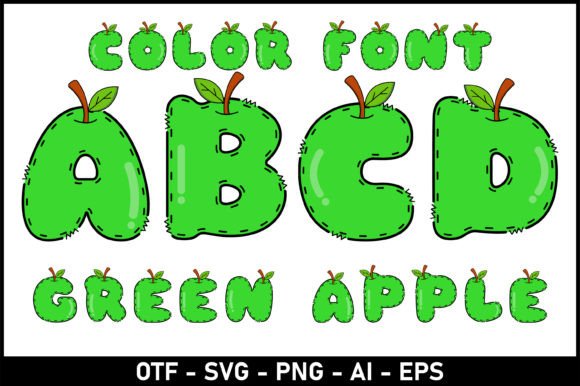
Visually, Green Apple presents itself as a creative font that leans into a handwritten font style without sacrificing legibility. Its letterforms have a natural, slightly uneven baseline, mimicking the flow of a marker or brush pen. This gives it an authentic, human touch that rigid, geometric sans serif font families often lack. The strokes vary in thickness, adding dynamism and preventing the text from looking flat. It’s a display font at heart, meaning its strengths shine brightest in headlines, logos, and short bursts of text where its personality can be fully appreciated. It’s not trying to be a neutral workhorse for body copy; it’s a statement piece, a modern typography choice designed to evoke emotion and capture attention.
Where Green Apple Truly Shines: Practical Applications
The real value of a design asset like Green Apple lies in its versatility across different mediums. Its playful yet sophisticated aesthetic makes it a strong candidate for a wide range of projects, particularly those targeting audiences that appreciate creativity and warmth.
In brand identity and logo design, Green Apple can be a game-changer for businesses in the lifestyle, artisanal food, boutique retail, or creative services space. A children’s clothing brand, a local bakery, or a freelance graphic designer could use it to craft a logo that feels approachable, unique, and memorable. It helps build a brand perception that is friendly and imaginative, immediately setting a business apart from corporate, sterile competitors.
For packaging design, this typeface is a natural fit. Imagine it on a jar of homemade jam, a bag of craft coffee, or a box of organic tea. It communicates a story of care and quality, enhancing the product’s shelf appeal. Similarly, in editorial design, it works beautifully for the title of a lifestyle magazine, the chapter headings in a cookbook, or pull quotes in a blog post, adding visual interest and breaking up monotonous text blocks.
The digital realm is another playground for Green Apple. It’s excellent for social media graphics, especially for Instagram stories, Pinterest pins, and Facebook ads where you have a split second to make an impression. A bold headline set in Green Apple can stop the scroll and boost audience engagement. For web design, it’s best used sparingly but effectively—think a hero section headline, a call-to-action button, or a special announcement banner. Its unique style helps with visual hierarchy, guiding the user’s eye to the most important information first.
Of course, its applications extend into personal and commercial projects for crafters and hobbyists. It’s a fantastic choice for creating custom invitations, greeting cards, posters, and art prints. The font’s personality injects a handmade feel that resonates deeply in these contexts.
Working with Green Apple: A Designer's Practical Guide
Choosing the right font is only half the battle; using it effectively is what separates good design from great. Here’s how to integrate Green Apple into your workflow with confidence.
First, always consider your project’s core message. Green Apple conveys playfulness, creativity, and approachability. If you’re designing a legal contract or a formal financial report, it’s the wrong tool. But for a creative font need—like a yoga studio’s new class schedule or a podcast’s promotional artwork—it’s often the perfect choice. Evaluate the emotional tone you want to set and ensure the font’s personality aligns with it.
Next, master the art of font pairing. A display font like Green Apple rarely works well alone for longer text. Pair it with a clean, neutral companion. A simple serif font like Lora or Merriweather can add a touch of classic elegance, while a straightforward sans serif font like Open Sans or Lato provides a modern, clean counterbalance. The key is contrast: let Green Apple handle the headlines and let its partner handle the supporting paragraphs. This pairing ensures both readability and professionalism.
Pay close attention to the included font styles. Check if the font family includes alternates, ligatures, or multiple weights. These features are invaluable for adding variety and solving design problems, like avoiding awkward letter spacing in a logo. Always test the font at the size you intend to use it. While it’s designed for display, ensure the specific characters in your headline remain legible, especially on smaller screens for web design applications.
Finally, understand the licensing. For entrepreneurs and small business owners, this is a critical step. Verify that the commercial license covers your intended use, whether it’s for a client’s logo, a product you sell, or digital templates. A reputable commercial font will provide clear licensing terms, giving you peace of mind as you build your brand’s assets.
In the end, Green Apple is more than just a collection of letters. It’s a versatile tool for storytelling. Used thoughtfully, it can elevate a design, strengthen a brand’s voice, and create a lasting connection with your audience. It’s a reminder that in the world of typography, personality and practicality can, and should, go hand in hand.